Sale
Learn how to make fermented drinks at home—from kombucha and water kefir to ginger bug, wild soda and naturally fizzy drinks.
Fermented fizzy drinks like kombucha can contain beneficial organic acids and live cultures when unpasteurized. Fermentation can also create unique compounds and flavors, making them an interesting alternative to regular sodas and other fizzy drinks.
Kombucha is one of the most popular fermented drinks to make at home. In this course, you'll learn how kombucha fermentation works, how to care for your SCOBY, understand fermentation stages and develop natural carbonation.
You'll then build on those fundamentals to explore water kefir, ginger bug, fermented soda, rejuvelac and wild soda.
Learn to make fermented drinks using simple ingredients and everyday kitchen equipment.
No previous fermentation experience or professional brewing equipment required. Learn at your own pace and start making fermented drinks at home.
Introduction to Fermented Drinks: Explore the basics of fermentation and its health benefits.
Getting Started: Set up your kitchen with simple tools and ingredients.
Ginger Bug Magic: Learn to create a natural starter for wild, fizzy sodas.
Water Kefir: Master this tangy, probiotic-packed drink with ease.
Rejuvelac: Craft this nutrient-rich, sprouted grain beverage.
Kombucha: Brew your own sweet-tangy tea with step-by-step guidance.
Wild Soda Experiments: Experiment with fruit and herbs for unique flavors.
Storage & Safety: Ensure safe, long-lasting results with practical tips.
🎥 Pre-recorded, Step-by-Step Tutorials: Clear videos add clarity to every stage, from brewing to bottling.
📚 Easy Recipes You Can Follow: Simple, scalable recipes for all skill levels.
♾️ Lifetime Access: Enjoy the course forever with new content added regularly—for free!
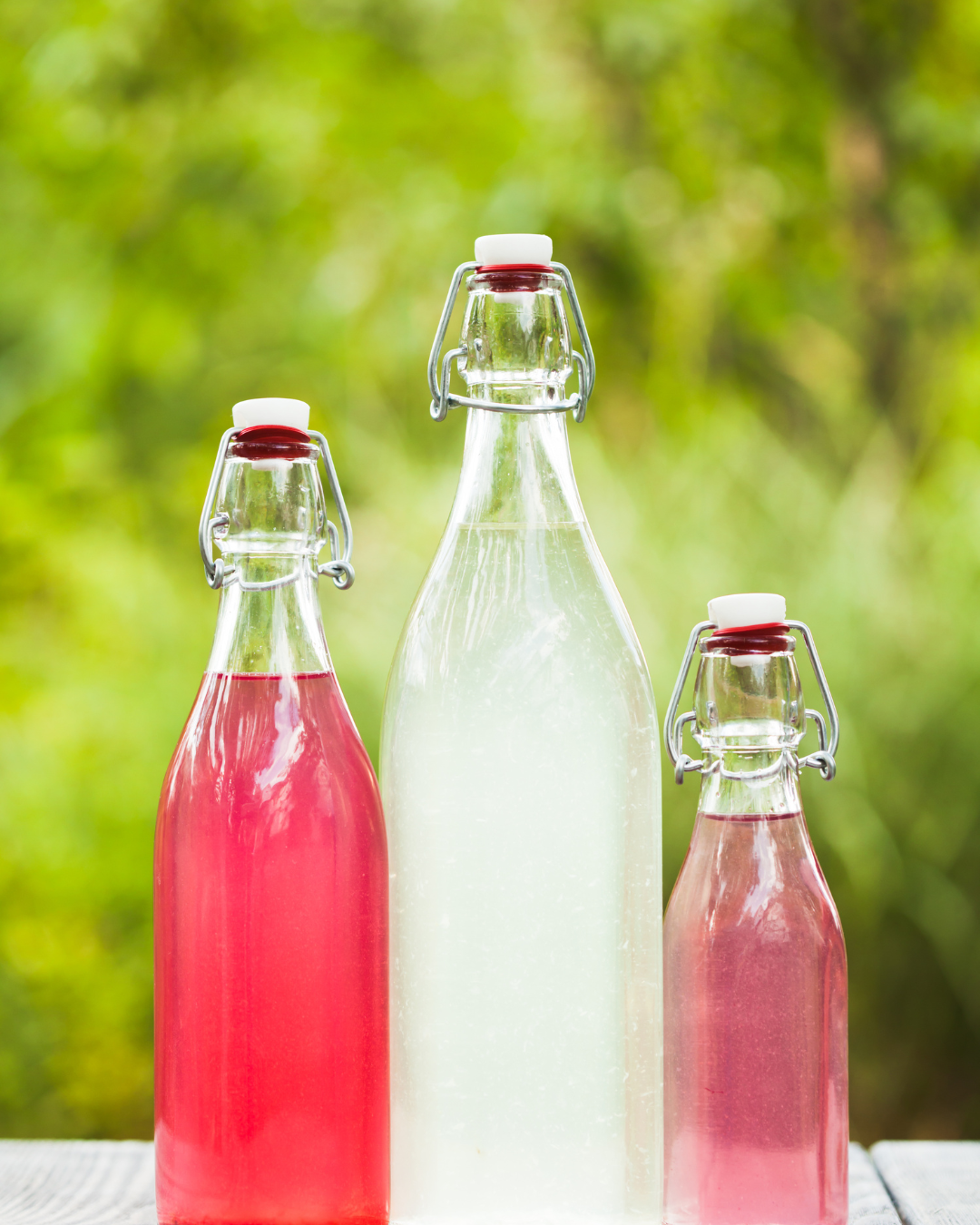
By the end of The Fizz Lab, you'll know how to make a range of naturally fermented drinks at home, including:
Ginger Bug — make your own active fermentation starter for homemade sodas.
Ginger Soda — turn a simple ginger-based fermentation into a naturally fizzy drink.
Water Kefir — learn to ferment water kefir and create your own flavoured drinks.
Kombucha — understand the basics of brewing and fermenting kombucha at home.
Rejuvelac — make this fermented grain-based drink and understand the fermentation process behind it.
Wild Soda — explore naturally fermented sodas using simple ingredients.
You'll also learn how to control fermentation and carbonation so you can make drinks that are flavourful, lively and naturally fizzy.
Making fermented drinks at home can feel like a science experiment—especially when your drink isn't fizzy, your fermentation behaves differently each time, or you're not sure whether it's ready.
This course teaches you the fundamentals behind naturally fermented drinks, so you can understand what's happening rather than simply follow a recipe.
You'll explore different fermentation methods and learn to make kombucha, water kefir, ginger bug drinks, rejuvelac and wild sodas using practical techniques suited to a home kitchen.
Making kombucha at home starts with understanding the fermentation process, your SCOBY and the conditions your brew needs to develop properly.
In this course, you'll learn how to:
You'll then build on these foundations to explore water kefir, ginger bug, fermented soda, rejuvelac and wild soda.
The aim is to help you understand fermented drinks rather than simply follow one kombucha recipe.
The Fizz Lab is for you if:
You've always wanted to make kombucha or other fermented drinks at home.
You've tried making a fermented drink but it didn't turn out as expected.
Your homemade drinks aren't getting fizzy and you don't know why.
You want to understand what's actually happening during fermentation instead of blindly following recipes.
You want to experiment with naturally fermented sodas and different flavours.
You're completely new to fermented drinks and want a simple place to start.
You already make one type of fermented drink and want to learn several others.
You don't need previous fermentation experience.
Level - Beginner
Format - Online, self-paced
Focus - Making fermented drinks at home
You'll learn - Fermentation basics, carbonation, fermentation timing, storage & safety
You'll make - Kombucha, water kefir, ginger bug, ginger soda, rejuvelac & wild soda
Equipment - Everyday kitchen equipment
Experience - No previous fermentation experience required
A professional kitchen
Expensive fermentation equipment
Special brewing equipment
Previous fermentation experience
A science or food-processing background
Complicated techniques or jargon
You can get started with basic kitchen equipment and ingredients that are relatively easy to find.
For the course, you'll work with simple equipment and ingredients commonly used for home fermentation.
Depending on the drink you're making, you may need:
Glass jars or bottles
Measuring equipment
Clean kitchen utensils
Sugar
Fresh ginger
Tea
Water
Water kefir grains
A kombucha SCOBY
Grains or other ingredients required for specific recipes
You don't need to buy everything before starting. We recommend going through the relevant lesson first and then getting the ingredients and equipment for the drink you want to make.
Understand what fermentation is, how microorganisms transform ingredients and what makes fermented drinks different from ordinary beverages.
Learn the basic principles, equipment and ingredients you'll need before making your first fermented drink.
Learn how to create and maintain a ginger bug starter and understand how it can be used to make naturally fermented drinks.
Learn how water kefir works, how to ferment it and how to turn it into a refreshing homemade drink.
Explore this fermented grain-based beverage and learn the basic process behind making it at home.
Learn the fundamentals of brewing kombucha, working with a SCOBY and managing the fermentation process.
Learn how to use natural fermentation to create homemade sodas with interesting flavours and gentle carbonation.
Understand how to store fermented drinks, manage carbonation and handle your finished drinks safely.
The Fizz Lab isn't just a collection of drink recipes.
You'll learn why fermentation happens, what affects it, how to recognise changes during fermentation and what to do when things don't go according to plan.
That means you're not limited to making the exact drinks taught in the course—you'll have the fundamentals to start experimenting on your own.
Fermented drinks are beverages made by allowing beneficial microorganisms such as yeasts and bacteria to transform sugars and other nutrients over time. This process can create distinctive flavours, acidity and, in some methods, natural carbonation.
Natural fizz develops when microorganisms produce carbon dioxide during fermentation. If the drink is bottled under suitable conditions, some of that carbon dioxide dissolves into the liquid, creating natural carbonation.
The amount of fizz depends on factors such as the microorganisms involved, available sugars, temperature, fermentation time and how the drink is bottled and stored.
Yes. Many fermented drinks can be made at home using simple ingredients and basic kitchen equipment. You don't need a specialised fermentation setup to get started.
The important part is understanding the fermentation process, maintaining suitable conditions and knowing how to recognise when a ferment is ready.
Kombucha is a fermented tea made using a culture commonly called a SCOBY. During fermentation, microorganisms consume some of the sugars in sweetened tea and produce acids and other fermentation compounds, resulting in kombucha's characteristic tangy flavour.
Water kefir is a fermented beverage made using water kefir grains, sugar and water. The microorganisms in the grains ferment the sugars, producing a lightly tangy drink that can be flavoured and, with suitable bottling conditions, naturally carbonated.
A ginger bug is a starter culture made by fermenting fresh ginger and sugar in water. It can be used to introduce active microorganisms into homemade fermented sodas and other naturally fermented drinks.
A fermented drink may remain flat for several reasons, including insufficient fermentation, inadequate fermentable sugar, unsuitable temperature, insufficient time for carbonation or problems during bottling.
Understanding the difference between primary fermentation and carbonation is important when troubleshooting fizzy drinks.
The time varies considerably depending on the type of drink, ingredients, temperature and fermentation method. Some preparations take a few days, while others require longer fermentation.
Rather than relying on a fixed number of days, it is useful to understand how to observe the ferment and determine when it is ready.
Signs of readiness vary between different fermented drinks. Changes in flavour, aroma, acidity, activity and carbonation can all provide useful clues.
The course teaches you what to look for rather than treating fermentation as a fixed-timer process.
A regular homemade drink is generally prepared without an active fermentation process. Fermented drinks undergo microbial transformation, which can change their flavour, acidity, aroma and, in some cases, carbonation.
Storage depends on the type of ferment and its stage of fermentation. Once a drink has reached the desired level of fermentation or carbonation, refrigeration is commonly used to slow further activity.
Always follow the specific storage and safety guidance for the particular fermentation method you are using.
Yes. The course is designed for beginners who want to learn how to make fermented drinks at home. It explains the basic concepts before moving into individual fermentation methods and recipes.
You will learn the fundamentals of fermented drinks and work through methods including ginger bug, water kefir, rejuvelac, kombucha and wild soda.
The course also covers getting started, fermentation, carbonation, storage and safety.
No. The course is designed around practical home fermentation and everyday kitchen equipment. You do not need an elaborate setup to get started.
The course covers ginger bug, water kefir, rejuvelac, kombucha and wild soda, along with techniques for making and managing fermented drinks at home.
Yes. Kombucha is included as one of the fermentation methods covered in the course.
Yes. Water kefir is included in the course, along with the fundamentals needed to work with water kefir grains.
Yes. The course covers techniques for making fermented drinks and understanding natural carbonation, including troubleshooting when a drink isn't fizzy enough.
No. The Fizz Lab is a pre-recorded, self-paced online course. You can learn at your own pace and revisit the lessons as needed.
There is no fixed completion time. You can work through the lessons at your own pace and return to them while making your own fermented drinks.
You can first go through the course and then decide which recipes you want to make. Ingredient requirements vary depending on the fermented drink you choose.
The focus of the course is on understanding and making fermented drinks at home. It is not designed as a medical or health-treatment course.
The course covers common fermentation issues and helps you understand what can affect fermentation and carbonation. This gives you a framework for troubleshooting rather than simply following a fixed recipe.
Yes. The course is designed for home fermentation using practical kitchen equipment.
Yes. The Fizz Lab is an online, pre-recorded course that you can access and complete at your own pace.
If lifetime access is still included in the current Fizz Lab offer, state this here: Yes, you get lifetime access to the course. Verify this matches the current product terms before publishing.
After purchasing, follow the course-access instructions provided by Fumami. Verify the exact delivery/access process on the current Shopify setup before publishing detailed instructions.
This course had some good content for the price. I’m trying some of the recipes to make healthy drinks for my kids. Attempted Tepache for the first time! Will purchase the sourdough course also soon.
Good course. Getting a lot of ideas on making fermented fizzy drinks this summer to replace store bought drinks. Have tried something with berries. Looking good so far. Let’s see how it turns out!