Sale

Skip to product information

Sale

Add to Cart
More Information
What you'll make?

What you'll make

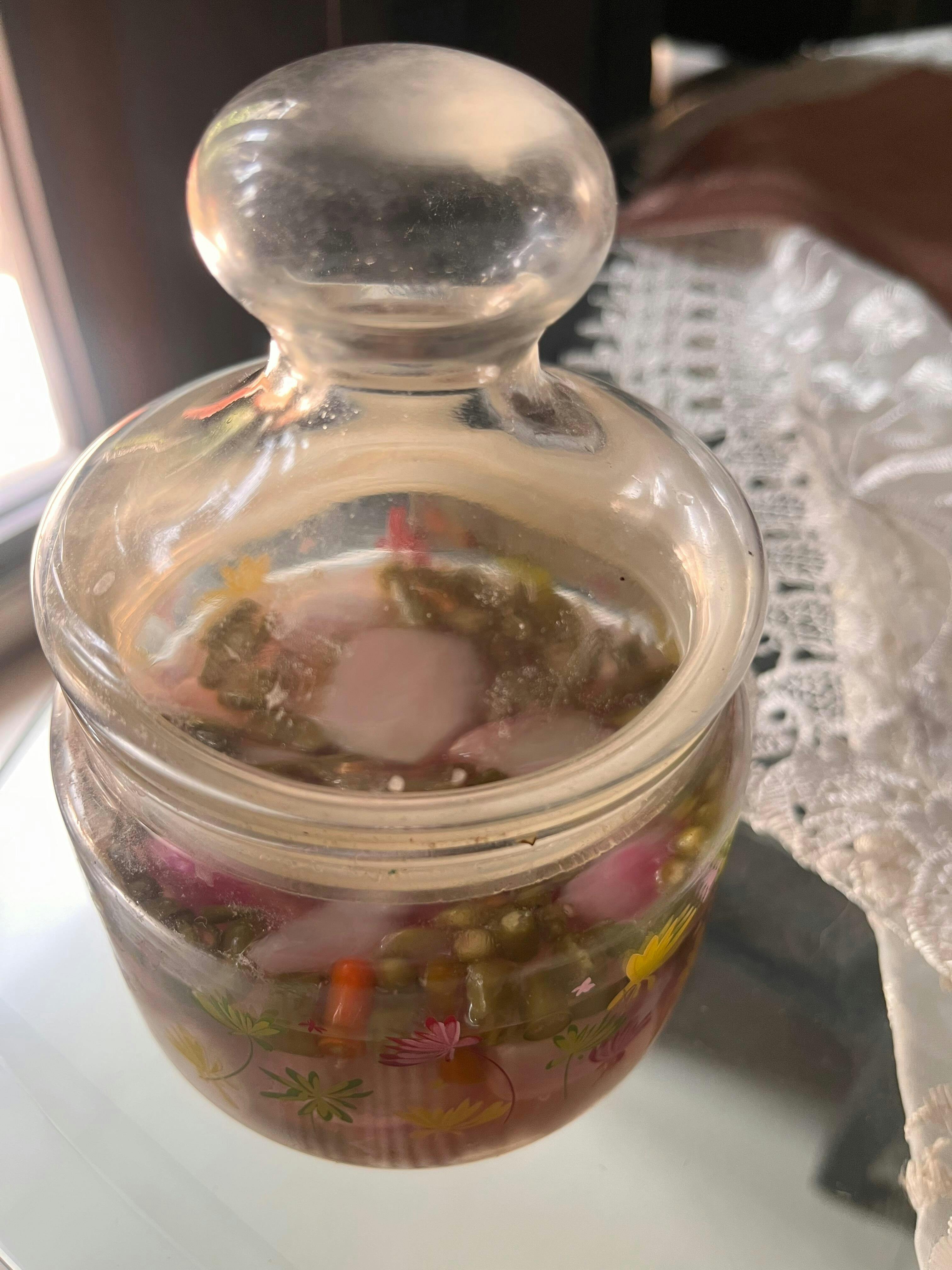
🥬 Sauerkraut
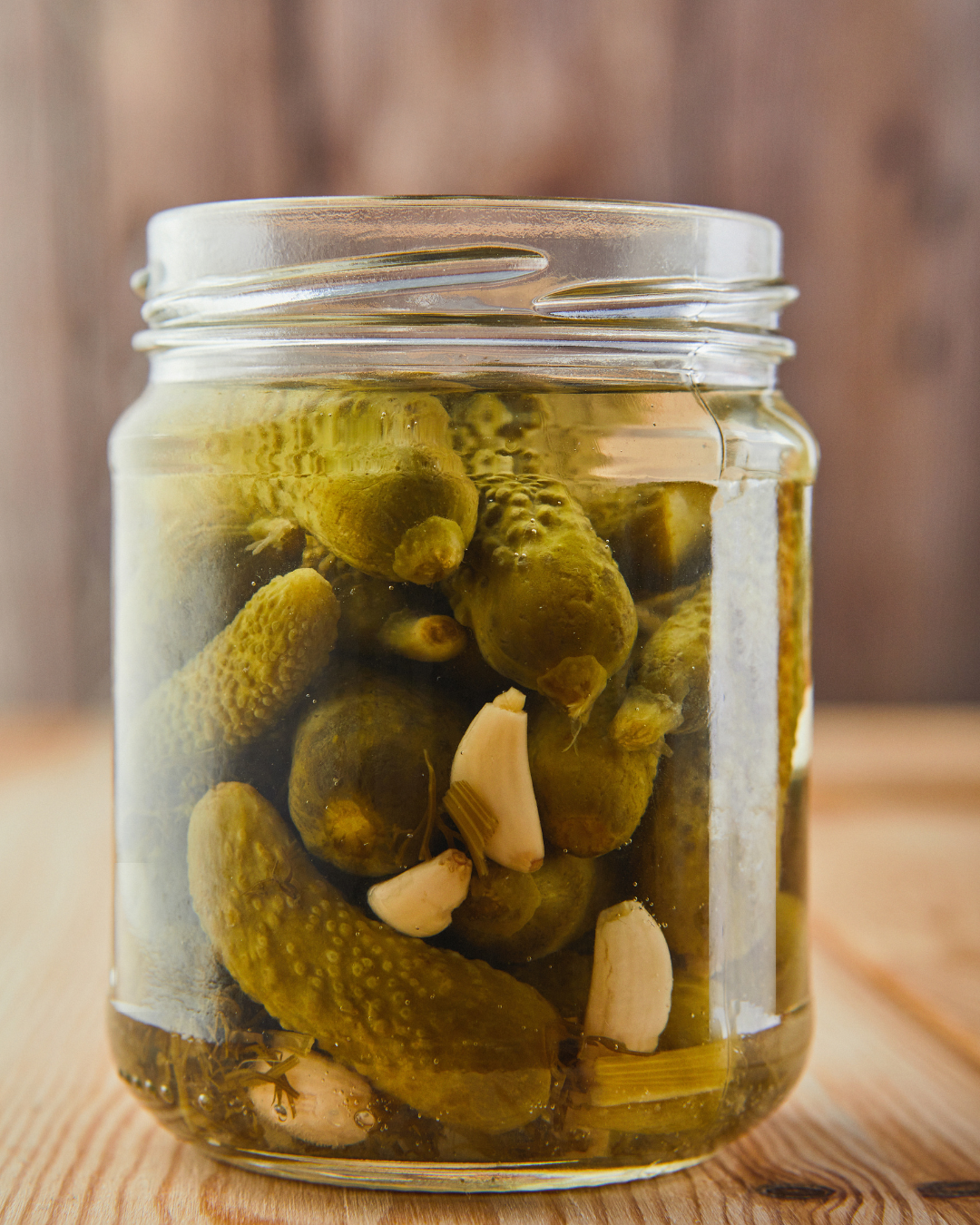
🥒 Fermented Dill Pickles
🌶️ Giardiniera

Why this course?

Fermentation can seem unpredictable when you're starting out. How much salt should you use? How long should vegetables ferment? Is that white film normal? And how do you know when your ferment is ready?

This course takes the guesswork out of lacto-fermentation and teaches you the fundamentals you need to confidently ferment vegetables at home.

You'll learn how fermentation works, what to look for at each stage and how to troubleshoot common problems—so you're not just following recipes, but understanding the process.

How does it work?

How Do You Ferment Vegetables at Home?

Fermenting vegetables is a simple process once you understand the role of salt, beneficial microorganisms, time and an oxygen-limited environment.

In this course, you'll learn how to:

  • Prepare vegetables for fermentation
  • Understand salt percentages and brine
  • Create the right conditions for fermentation
  • Recognise when a ferment is progressing normally
  • Understand common issues such as Kahm yeast
  • Know when your fermented vegetables are ready
  • Store your finished ferments safely

You'll put these principles into practice by making sauerkraut, fermented dill pickles and giardiniera.

Once you understand the fundamentals of vegetable fermentation, you can apply them to many other vegetables at home.

Who is this course for?

This course is for you if you've never fermented before, have tried fermentation but aren't sure you're doing it correctly, or want to understand what's actually happening rather than blindly following recipes.

Course at a glance

Level - Beginner

Format - Online, self-paced

Focus - Lacto-fermenting vegetables at home

You'll learn - Fermentation fundamentals, salt, microbes, fermentation conditions, timing & troubleshooting

You'll make - Sauerkraut, fermented dill pickles & giardiniera

Equipment - Everyday kitchen equipment

Experience - No previous fermentation experience required

You don't need:

- previous fermentation experience
- a fermentation crock
- expensive equipment
- a microbiology background

What you'll need?

A few everyday kitchen tools, vegetables, salt and jars. No specialized fermentation equipment is required.

Inside the course

Module 1 — Understanding Fermentation

  • History & Science of Fermentation
  • Why fermenting is essential?
  • Wild vs cultured fermentation
  • Fermentation and the microbiome
  • Kahm Yeast

Module 2 — Lacto-Fermenting Vegetables

  • Equipment
  • Salt
  • Creating an anaerobic environment
  • Choosing vegetables

Module 3 — Making Your First Ferments

  • Sauerkraut
  • Fermented dill pickles
  • Giardiniera

Module 4 — Troubleshooting & Storage

  • Fermentation time
  • Common problems
  • Knowing when a ferment is ready
  • Storage
Learn the Fundamentals

Learn the Fundamentals of Lacto-Fermentation

What is lacto-fermentation?

Lacto-fermentation is a natural fermentation process in which lactic acid bacteria convert sugars naturally present in vegetables into lactic acid. As the acidity increases, the vegetables develop the characteristic tangy flavour associated with fermented foods.

Unlike vinegar pickling, lacto-fermentation relies on the activity of naturally occurring microorganisms rather than adding vinegar. Salt plays an important role by creating conditions that favour the growth of desirable lactic acid bacteria while helping to limit the growth of many unwanted microorganisms.

How does lacto-fermentation work?

When vegetables are combined with the appropriate amount of salt and kept in a suitable fermentation environment, naturally occurring lactic acid bacteria begin to multiply. They consume available sugars and produce lactic acid, gradually lowering the pH of the ferment.

This changes the flavour, aroma and texture of the vegetables over time. Temperature, salt concentration, the vegetables being fermented and fermentation time can all influence the final result.

In the course, you'll learn the principles behind this process so you can understand what is happening in your jar rather than simply following a recipe.

Can you ferment vegetables at home?

Yes. Vegetable fermentation can be done in a regular home kitchen using simple equipment such as clean jars, vegetables and salt. You don't need a fermentation crock or specialised equipment to get started.

However, fermentation isn't simply a matter of leaving vegetables in a jar and hoping for the best. Understanding salt, temperature, keeping vegetables submerged, fermentation time and signs of spoilage is important for getting consistent results.

What vegetables can you lacto-ferment?

Many vegetables can be fermented, including cabbage, cucumber, carrots, radish, cauliflower, green beans, chillies and other seasonal vegetables.

Different vegetables contain different amounts of water and sugars, so the technique and fermentation time can vary. Once you understand the underlying principles, you can apply them to a much wider range of vegetables instead of relying on individual recipes.

How much salt is needed for lacto-fermentation?

The amount of salt depends on the type of ferment and the method being used. Salt isn't just there for flavour — it plays an important role in creating an environment that supports lactic acid bacteria.

Using too little or too much salt can affect the fermentation process, which is why understanding how salt works is more useful than memorising a single number for every vegetable.

The course explains how salt is used in different vegetable fermentation methods and how to approach your ferments more confidently.

How long does vegetable fermentation take?

There isn't one universal fermentation time. Temperature, salt concentration, the vegetable being fermented, the size of the pieces and your preferred flavour all influence how quickly a ferment develops.

A ferment may taste very different after a few days compared with several weeks. In the course, you'll learn what to look for rather than relying only on a fixed number of days.

How do I know when fermented vegetables are ready?

A finished ferment will generally have a pleasantly acidic, tangy flavour and aroma, with characteristics that are appropriate for the particular vegetable.

Learning to judge a ferment involves looking at its appearance, aroma, texture and flavour rather than relying on time alone.

You'll also learn to distinguish normal changes during fermentation from signs that a ferment should be discarded.

What is Kahm yeast?

Kahm yeast is a harmless-looking, usually white or cream-coloured film that can sometimes develop on the surface of a ferment. It is different from mould and can occur under certain fermentation conditions.

Understanding the difference between normal fermentation changes, Kahm yeast and potential spoilage is an important part of learning to ferment confidently at home.

Lacto-fermentation vs pickling: what's the difference?

Lacto-fermentation and vinegar pickling are different preservation methods.

In vinegar pickling, acidity is introduced by adding an acidic ingredient such as vinegar. In lacto-fermentation, lactic acid is produced naturally by microorganisms during fermentation.

Both methods can produce acidic, flavourful vegetables, but the processes and techniques are different.

Frequently Asked Questions

Is this lacto-fermentation course suitable for beginners?

Yes. The course starts with the fundamentals and is designed for people who are completely new to fermentation. You don't need previous fermentation experience or a background in food science.

What will I learn in the course?

You'll learn how lacto-fermentation works, the role of salt and lactic acid bacteria, how to create a suitable fermentation environment, how to recognise common fermentation changes, how to troubleshoot problems and how to store finished ferments.

You'll also learn how to make sauerkraut, fermented dill pickles and giardiniera.

Do I need special equipment?

No. You can get started with basic kitchen equipment and suitable jars. You don't need a fermentation crock or expensive specialised equipment.

Can I ferment vegetables at home?

Yes. The course is specifically designed to teach the principles and practical techniques needed to ferment vegetables in a home kitchen.

How long does the course take to complete?

The course is self-paced, so you can work through the lessons according to your own schedule. You don't need to attend a live class at a particular time.

Is this a live fermentation class?

No. This is a self-paced online course that you can access and complete at your convenience.

Do I need to buy ingredients before starting?

You don't need anything unusual. The course uses accessible ingredients and simple equipment so that you can begin fermentation without setting up a specialised kitchen.

What recipes are included?

The course includes lessons on making sauerkraut, fermented dill pickles and giardiniera, along with the underlying fermentation principles that you can apply to other vegetables.

Will I learn the science behind fermentation?

Yes. The course explains the basic science behind lacto-fermentation, including the role of microorganisms, salt, acidity and the fermentation environment. The aim is to help you understand why the process works, not just follow recipes.

Is lacto-fermentation the same as making pickles?

Not exactly. Lacto-fermented pickles are made through fermentation, while many pickles are made by adding vinegar. The course explains the difference between fermentation and other forms of pickling.

Can I use the techniques for vegetables other than the recipes in the course?

Yes. The goal is to teach you the principles behind vegetable fermentation so you can apply them beyond the specific recipes demonstrated in the course.

Is the course available outside India?

Yes. The course is online and can be accessed from anywhere in the world. It is a digital course, so there is no physical product or shipping involved.

How do I access the course after purchasing?

After completing your purchase, once you login you'll see the online courses purchased. You can then work through the lessons at your own pace.

Do I get lifetime access?

Yes, if lifetime access is included with your current course purchase.

What if I've tried fermenting vegetables before and failed?

That's exactly where understanding the process helps. The course covers the factors that influence fermentation, including salt, temperature, fermentation conditions, time and common problems, so you can understand what may have gone wrong and make more informed decisions with your next batch.

Is this course about the health benefits of fermented foods?

The course focuses primarily on how fermentation works and how to ferment vegetables successfully at home. It also introduces relevant fermentation and microbiome concepts, but it is not a medical or nutrition course and does not make promises about specific health outcomes.