Sale

Skip to product information

Sale

Add to Cart
More Information
What you'll make?

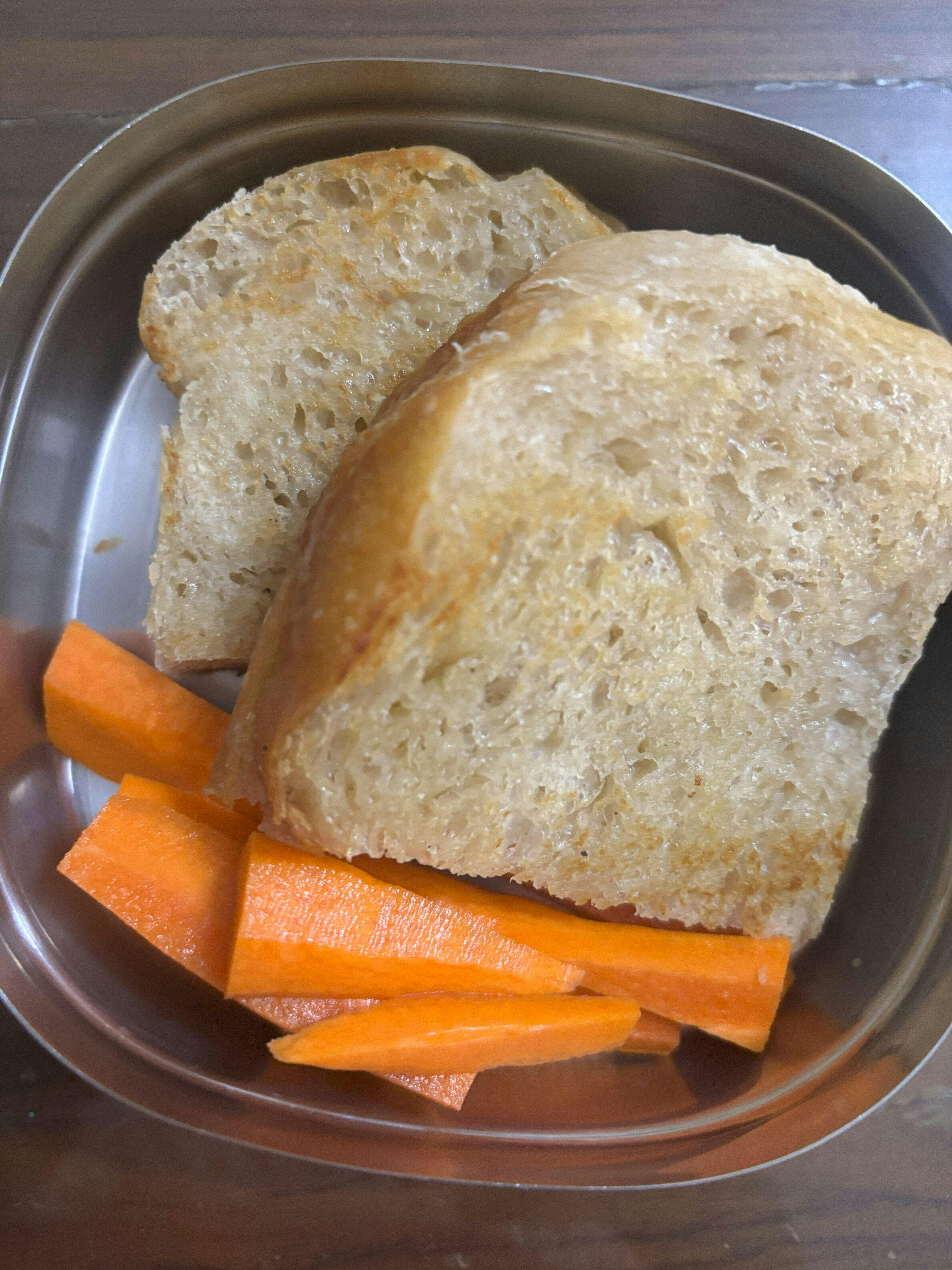
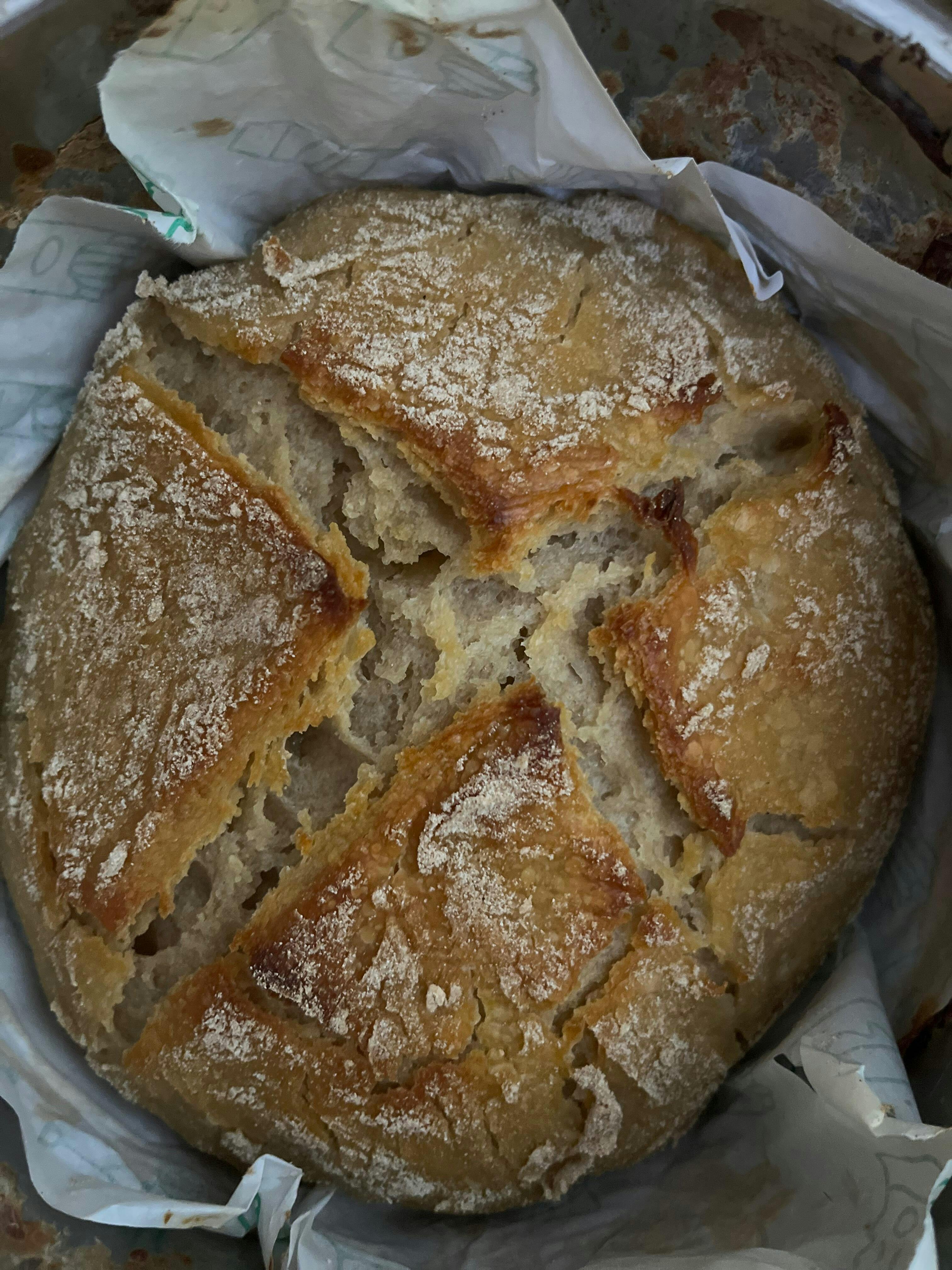
By the end of the course, you'll understand how to make sourdough bread at home — and, more importantly, how to understand what's happening to your dough at every stage.

You'll learn to:
Make and maintain your own sourdough starter
Mix and develop your dough
Understand bulk fermentation
Shape and proof your loaf
Bake sourdough bread successfully at home
Recognize and fix common beginner mistakes

This isn't just a recipe for one loaf. You'll learn the process so you can confidently make sourdough again and again.

Why this course?

Why Learn Sourdough Bread Making with Fumami?

Sourdough bread can feel complicated when you're starting out. Is your sourdough starter ready? Has your dough fermented enough? Why isn't the bread rising?

This course breaks the process down into practical, beginner-friendly steps so you understand what to look for, what to do and what to change when things don't go as planned.

Designed for real home kitchens

You don't need a professional bakery setup to learn sourdough baking. The course focuses on practical techniques you can use with everyday home-baking equipment.

How does it work?

How Does Sourdough Baking Work?

Making sourdough bread is a process of fermentation, not just following a recipe. Your sourdough starter, flour, water, temperature and fermentation time all affect how the dough develops.

In this course, you'll learn how to:

  • Create and maintain an active sourdough starter
  • Know when your starter is ready to use
  • Understand bulk fermentation and proofing
  • Recognize when your sourdough dough is ready to bake
  • Shape and bake sourdough bread at home
  • Troubleshoot common problems such as a starter that isn't rising or bread that turns out dense

The goal is to help you understand the process behind sourdough bread, so you can adapt your baking to your own kitchen rather than relying on fixed timings.

Who is this course for?

This course is for you if:

You've never made sourdough bread before
You've started a sourdough starter but don't know what to do next
Your bread sometimes works and sometimes doesn't
You're confused about fermentation, proofing or hydration
You want to understand sourdough rather than simply follow a recipe
You want to bake sourdough bread at home without professional equipment

Course at a glance

Level - Beginner

Format - Online, self-paced

Focus - Sourdough bread baking at home

You'll learn - Sourdough Starter, dough, fermentation, shaping, proofing & baking

Equipment - Basic home-baking equipment

Experience - No previous experience required

You don't need:

A professional bakery setup
A stand mixer
An expensive Dutch oven
Special sourdough equipment
Previous baking experience
Complicated baking terminology
A perfect kitchen setup

You can start with basic equipment and learn to work with what you already have.

What you'll need?

To get started, you'll need some basic baking equipment and ingredients, such as:

Flour
Water
Salt
A kitchen scale
A jar for maintaining your starter
A suitable baking surface or vessel
Your regular home oven or OTG

You don't need to buy everything immediately.

Start with the basics, learn the process and add equipment only when you actually need it.

Inside the course

01 — Getting Started With Sourdough

Understand what sourdough is, how fermentation works and what makes sourdough different from bread made with commercial yeast.

02 — Your Sourdough Starter

Learn how to create, feed and maintain an active sourdough starter—and how to recognise when it's ready to use.

03 — Understanding Your Dough

Learn how flour, water, salt, starter, hydration and fermentation affect your dough.

04 — Mixing & Dough Development

Learn how to bring your dough together and develop the structure needed for a good sourdough loaf.

05 — Bulk Fermentation

Understand what happens during bulk fermentation and, more importantly, learn how to recognise when your dough is ready to move on.

06 — Shaping & Proofing

Learn how to shape your dough and manage the final proof before baking.

07 — Baking Your Loaf

Learn how to bake your sourdough at home and work with the equipment you actually have.

08 — Troubleshooting

Understand common problems such as a starter that won't rise, dough that isn't fermenting properly, dense bread and loaves that don't get the rise or texture you expected.

09 — Beyond the Basic Loaf

Once you understand the fundamentals, explore ways to use your sourdough starter and dough beyond making the same loaf every time.

Learn the Process, Not Just the Recipe

Sourdough isn't a recipe you can always follow to the minute.

Temperature, flour, starter activity, hydration and fermentation all affect your dough.

This course teaches you what to look for at each stage, so you can make better decisions even when your kitchen conditions aren't exactly the same as the recipe.

Learn the Fundamentals

What is sourdough?

Sourdough is bread made using a fermented starter containing naturally occurring yeasts and bacteria. Instead of relying only on commercial baker's yeast, the starter helps ferment the dough and contributes to the flavour, texture and rise of the bread.

What is a sourdough starter?

A sourdough starter is a mixture of flour and water that has been allowed to ferment and develop an active community of microorganisms. An active starter can be used to ferment and leaven sourdough dough.

How do I make a sourdough starter from scratch?

A starter is made by combining flour and water and feeding it regularly while it develops. Over time, naturally occurring microorganisms establish themselves in the mixture.

The process requires observation rather than simply following a fixed number of days because temperature, flour, feeding schedule and other conditions can affect how quickly a starter develops.

How long does it take to make a sourdough starter?

There is no universal number of days. A starter may become active at different rates depending on factors such as temperature, flour and feeding routine.

What matters is learning to recognise an active starter and understanding when it is ready to use.

Why is my sourdough starter not rising?

A starter may not rise because it is too young, too cold, underfed, overfed, maintained at an unsuitable consistency or otherwise not yet sufficiently active.

Learning to observe your starter's activity, aroma, consistency and feeding response is more useful than relying only on a fixed schedule.

Why is my sourdough bread not rising?

Poor rise can have several causes, including an inactive starter, weak fermentation, unsuitable temperature, insufficient gluten development, over-proofing or under-proofing.

Troubleshooting requires looking at the entire process from starter activity through fermentation and baking.

Can I make sourdough bread without a Dutch oven?

Yes. A Dutch oven is one way of creating a suitable baking environment, but it is not the only way to bake sourdough.

The course focuses on practical sourdough baking so you can understand the principles behind the process rather than assuming that expensive equipment is essential.

Can I make sourdough in an OTG?

Yes. Sourdough can be baked in an OTG when the oven is capable of reaching and maintaining the required baking temperatures.

Understanding your oven and adapting the baking process to your equipment is an important part of home sourdough baking.

Can I make sourdough in an air fryer?

Some sourdough preparations can be adapted to smaller appliances such as an air fryer, although the size and characteristics of the appliance can affect the result.

The important consideration is adapting the dough and baking process to the equipment you actually have.

What flour can I use for sourdough?

Different flours can be used for sourdough, including wheat-based flours with different levels of refinement. Flour choice affects fermentation, hydration, gluten development and the final texture of the bread.

How much water should I use in sourdough?

The amount of water depends on the recipe, flour and desired dough characteristics. This is commonly discussed in terms of hydration, which is the amount of water relative to the flour.

Rather than assuming one hydration works for every flour, it is useful to understand how the dough should look and feel at different stages.

How long does sourdough fermentation take?

Fermentation time varies depending on starter activity, temperature, flour, hydration and the quantity of starter used.

This is why sourdough recipes often work better when you learn to recognise signs of fermentation rather than following the clock blindly.

How do I know when sourdough dough is ready to bake?

The dough changes in volume, structure, elasticity and appearance as fermentation progresses. Learning to recognise these changes helps you decide when the dough is ready for the next stage.

Frequently Asked Questions

Is this sourdough bread course suitable for beginners?

Yes. The course is designed to take you through the fundamentals of sourdough bread from starting your sourdough starter through the bread-making process.

What will I learn in the course?

You will learn the fundamentals of sourdough, including working with a sourdough starter, preparing dough, fermentation and baking. The course is designed to make the process approachable without unnecessary jargon or complicated equipment.

Do I need a Dutch oven?

No. A Dutch oven is not a prerequisite for learning sourdough baking. The goal is to understand the underlying process and work with the equipment available in your kitchen.

Do I need special equipment?

No. You can get started with basic kitchen equipment. The usual pots and pans that you use daily. The course is designed around practical home baking rather than requiring a professional baking setup.

Is this a live sourdough baking class?

No. This is a pre-recorded, self-paced online course. You can work through the lessons at your own pace and revisit them when you need them.

Will I learn how to make a sourdough starter?

Yes. The course covers the starter as part of the sourdough-making process and helps you understand how an active starter works.

What if my sourdough starter isn't rising?

The course helps you understand the factors that influence starter activity, multiple ways you can kickstart a sourdough starter and gives you a framework for troubleshooting common starter problems.

What if my sourdough bread isn't rising?

You will learn about the different stages of sourdough preparation and fermentation, helping you identify where problems may be occurring.

Can I make sourdough bread in an Indian home kitchen?

Yes. The course is designed for home bakers and does not assume that you have a professional kitchen or specialised baking equipment.

Can I make sourdough bread in an OTG?

Yes. Sourdough can be baked in an OTG, and understanding how to work with your particular oven can be useful for getting consistent results.

Can I bake sourdough bread without a Dutch oven?

Yes. A Dutch oven is useful but not essential. There are other ways to approach sourdough baking depending on your oven and available equipment.

How long does the course take to complete?

There is no fixed completion time. It is self-paced, so you can work through the lessons according to your own schedule and revisit them while baking.

Do I need to buy ingredients before starting?

Not necessarily. Mostly you'll find all ingredients in your kitchen storage. You can go through the course first and then gather the ingredients needed for the recipes you want to try.

Is this course only about making one type of sourdough bread?

The course is designed to teach the principles and process behind sourdough rather than simply giving you one recipe to follow. This helps you understand how to adapt the process to your own kitchen.

Is sourdough bread difficult to make?

Sourdough has a learning curve because fermentation is affected by factors such as temperature, starter activity, flour and timing. Once you understand what to look for at each stage, the process becomes much easier to manage.

Do I get lifetime access?

Yes, you get lifetime access to the course.

How do I access the course after purchasing?

Login with the email id/phone number you used for the purchase. You should see the course added to your profile